Kidney & Liver Function Tests for Pets: Early Detection Guide for Delhi NCR Pet Parents
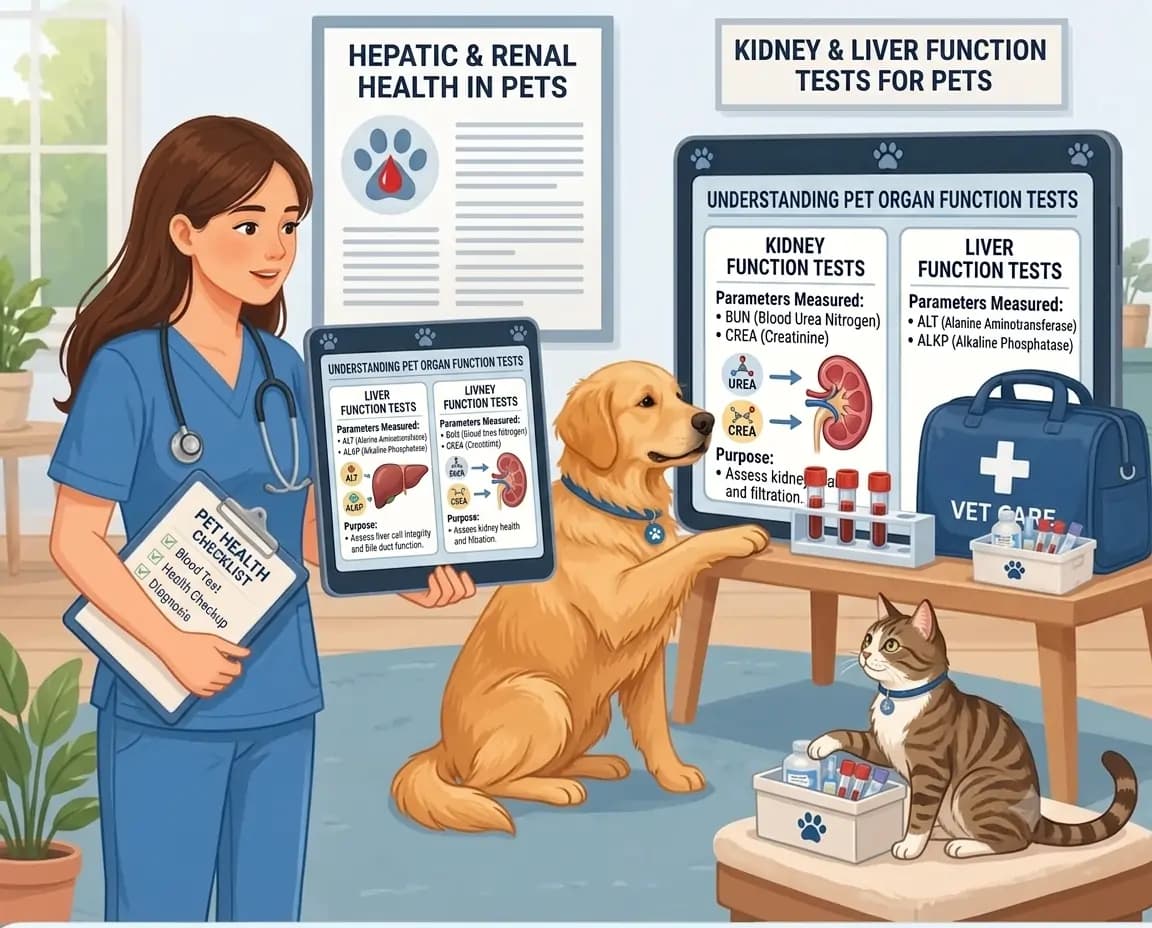
If you have ever been in the veterinarian’s waiting room in Gurgaon or South Delhi with a pet who refused food one morning – as many dog parents know too well, this can become very scary, very quickly – then you are already aware of the urgency of the situation. Over my years practicing in Delhi NCR, the most frequent confession that I hear from worried pet parents usually comes out sounding identical, every single time: “I should have done this much earlier”. A simple kidney function test for dogs Delhi doctors prescribe could uncover issues many months – and in some cases, years – prior to the situation becoming critical. Read this post to understand how this crucial diagnostic procedure is vital, the appropriate time to opt for it, and how to interpret the reports to benefit your pet.
Why Delhi’s Environment Makes This More Urgent?
Pet parents in other cities sometimes get away with annual checkups and nothing more. Delhi NCR is different. The dust, the extreme summer heat, the water quality issues that plague many housing societies, and the sheer number of stray dietary indiscretions our street-savvy dogs get into all add stress to two organs that rarely announce their problems until it’s late: the kidneys and the liver. I have treated Labradors from Noida who developed kidney strain purely from heatstroke episodes during May and June, and I have seen liver values spike in pets from older parts of Delhi where groundwater contamination is a real concern. This isn’t fearmongering. It’s simply the reality of raising a pet here, and it’s exactly why early screening matters more in this region than in many others.
What Kidney and Liver Function Actually Tell You
Kidneys eliminate waste, balance fluids and control hydration. The liver detoxifies, synthesizes critical proteins, assists in digestion, and so on. If a dog or cat’s liver is in decline, their blood chemistry changes long before any symptom of disease becomes evident.That’s the difficulty; our furry friends are the masters of disguise.
It can lose 60-70 percent of kidney function before they begin to drink and urinate more, act lethargic, etc. At that point, treatments become quite limited.
This is why I want you to consider routine testing to be an extension of responsible pet guardianship – the equivalent of an annual wellness exam for yourself.
Signs You Shouldn’t Ignore
There are tell-tale signs in our pets long before a crisis sets in. An increased thirst, an almost yellowish tint to the eyes or gums, sometimes the dog is just plain picky about dinner or vomits immediately after he eats-these all indicate an organ in stress. I’ve had many pet parents report their dog was just “not quite himself” for a two week stretch until something more overt happened. Don’t ignore this gut feeling; if you have a pet that is more than 7 years old, had a previous tick fever, or has a history of medication therapy, these are small symptoms warranting an in clinic exam within the week.
Quick Symptom Checklist
For a fast reference, here are the warning signs I ask every pet parent to watch for between visits:
- Drinking or urinating noticeably more than usual
- Yellowish tinge in the gums, eyes, or skin
- Sudden pickiness about food or reduced appetite
- Vomiting shortly after meals, especially if repeated
- Low energy or reluctance to walk/play as usual
- Bad breath with a metallic or ammonia-like smell
If your pet shows two or more of these together, that’s a same-week vet visit, not a wait-and-watch situation.
The Testing Process, Explained Simply
A typical kidney panel checks your BUN (blood urea nitrogen), creatinine, and may even look at SDMA (a newer test to detect early changes in the kidney) while liver tests monitor ALT, ALP, bilirubin, and albumin levels. None of this has to take extensive periods to fast your pet, or be a cause for extensive sedation, and a simple draw of blood from the front leg of your cat or dog can supply all the necessary fluid for a reliable sample. What many first-time clients are shocked by, is how readily available such services are nowadays.
Many diagnostic facilities in the region-including in Gurgaon, Noida, and the main Delhi region-are now providing at-home liver tests for pets.
These tests are convenient as phlebotomists trained in handling all kinds of domestic animals visit your location, collect blood samples with the least stress to your pet, and will get you your pet’s test results in a day to two days. If you have cats that are timid, or older dogs who feel extremely anxious during clinic visits, an in-home test can truly change your experience as an animal lover. I’ve seen rescued pets go from trembling, fearful beings to calm and relaxed animals during this process just because they’re in the familiar, safe surroundings of their living room rather than in the alien, clinical environment of a veterinary clinic.
Reading Your Results Without Panicking
These slightly elevated results do not necessarily indicate illness. Exercise can do this. So can the very car trip your dog took to the vet for the blood test.
A simple dehydrated pet can also have this occur.
And several drugs will raise these numbers. This is the value of working with a veterinarian who explains numbers to you, rather than handing you the printed page. Have the vet explain where this result fits in. Have the vet suggest whether the next test in 2 weeks is appropriate before jumping to the worst possible conclusion.
This is good veterinary medicine, spotting a pattern over time, not just one instance in time.
Even so, do not interpret a confirmed reduced function to be a death sentence. Contemporary kidney treatments are much better than in the past and the life span of a pet can be very greatly extended in the face of kidney or liver failure through the appropriate use of prescription renal diets, injectable fluid therapies that can be done on an ongoing basis by the owners themselves (yes, I teach clients how to do this). The use of phosphate binders and drugs to control the blood pressure can also help a pet live much longer, happy, well, eating lives.
I have had clients with dogs with mild kidney disease whose pets have lived for three and four years after being diagnosed and still are eating and running and happy. so kidney disease treatment for dogs Delhi helps the pet owners take care of there pets well.
Building Testing Into Your Pet’s Routine
My consistent message to all pet parents is to never wait until the animal is sick as a reason to test. A first, or base line panel, done when an animal is one year old will help set the standard for their entire life. As an animal passes from one to two, to six or seven, I suggest that, barring any special concerns on the veterinarian’s behalf based on breed or medical history, a panel be performed every twelve to eighteen months.
When my patients approach the age of seven or eight I typically advise switching over to every six months because the rate of organ deterioration is increasing at that age.
Why This Matters Even More for Senior Pets
The reason I push so hard on senior screening is that older organs fail quietly. A seven or eight year old dog can look completely normal at home while losing kidney or liver reserve week by week, simply because the body compensates well until it can’t anymore. By the time an older pet shows outward symptoms, the disease has often already progressed past the stage where diet and medication alone can reverse it. Catching that decline through a six-monthly panel, while the pet still looks and acts fine, is what lets us slow the progression with diet and medication rather than manage a crisis. In my experience, senior pets who are screened regularly are far more likely to stay comfortable and active for years after diagnosis than those who are only tested once symptoms appear.
I find that breed is one factor that owners are least considering and yet in my experience it is critical. Cocker spaniels, for example, have a genetic propensity towards some liver disease and Shih Tzus as do older Persians have a breed tendency for some kidney disease. If you have one of these breeds, do not wait for the general rule for the age to run your test. Run it a little sooner and a little more frequently.
Why a Complete Panel Beats a Single Test?
One question I frequently hear is whether it’s worth getting a bigger workup rather than just looking at one or two organs. Having done this for many years now, the honest answer is yes. In a typical complete pet health screening Delhi owners select, they look at things like kidney values, liver enzymes, and a total blood count, as well as frequently the thyroid and electrolyte values along with one another.
This is because no organ lives in a vacuum; your liver stress might show up in subtle changes in your red blood cell count.
Similarly, a dog with a little bit of kidney strain likely has the accompanying electrolyte abnormalities. If you pick only a narrow test, these are likely to go unnoticed. More than that, clients picking a complete pet health screening Delhi based animal hospitals perform every year usually wind up being more economical than the combined cost of narrow individual tests run over the course of a year and it gives your veterinarian a far more comprehensive profile from which to start! I have, on many occasions, detected an early thyroid disease simply because my clients opted for a general work up rather than just testing kidney values and the pets have responded much better than they ever might have.
What Delhi NCR Pet Parents Should Do Differently?
Considering where we live, I’d like to offer a few additional tweaks to these standard recommendations. First, pay extra close attention to your pet during the most oppressive parts of summer – between April and June – when the stress of heat impacts kidney health. If your pet has even experienced one instance of heatstroke, perhaps have your pet’s kidney function tested.
Second, if your residential society gets water from borewells as opposed to the city supply, inform your veterinarian, because some elements in it are known to cause increased strain on liver function over a long period.
Third, since it is quite accessible now all over NCR, make use of at-home pet sample collection facilities. A liver test for pets at home is the single biggest obstacle for many working parents – time.
A Closing Thought From Practice
I’ve been doing this long enough to notice a pattern. The pet parents who test early and consistently rarely face the heartbreaking, sudden decisions that come with late-stage organ disease. Their pets live longer, eat better, and stay active well into their senior years. Testing isn’t about assuming the worst. It’s about giving yourself the information to act while you still have plenty of good options. If it’s been over a year since your dog or cat had bloodwork done, or if something has just felt slightly off lately, this week is a good time to book that appointment. Your future self, and your pet, will thank you for it.
1. Do I know my dog needs a kidney test, liver test?
As a vet I’d suggest increased thirst, lack of energy, changes in appetite are sufficient enough to call for the whole health screening the clinic in Delhi can perform easily.
2.Liver test for pets at home reliable than clinic visits?
In my personal opinion a liver test for pets at home can be perfectly reliable as long as handled by trained persons and sent for testing fast.
3.What kind of Kidney disease treatment dogs Delhi vets suggest?
Generally we treat kidney disease dogs Delhi cases with changes in food, hydration and medicine depending on the severity.
4. How many times senior pets need to have complete health screening?
My advice to owners of senior dogs would be to opt for complete health screening Delhi vet offers every six months because their organs don’t age well over time.